


19 New Colors
Browse the heavy texture line up
This is the largest color drop in GAM history
We've been working behind the scenes to get our formulas just right. Our goal is to create a range of textures that are dependable and look great.
Heavy Body Texture
Acrylic Paints


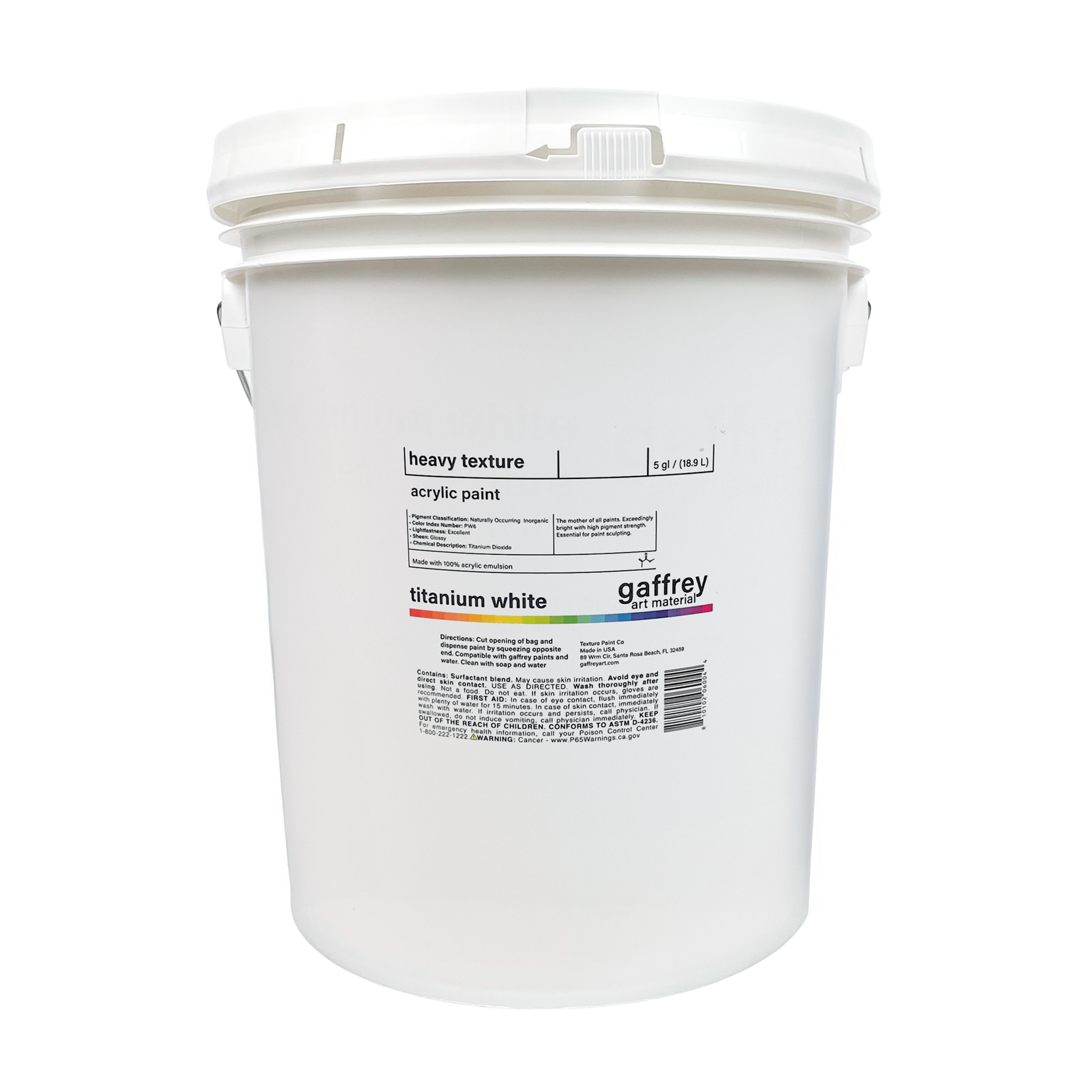


Heavy Texture Evolution
Our new acrylic formulas build on existing strengths while introducing key improvements.


What's New
- More consistent batch quality
- Increased pigment concentration
- New sturdy, heavy-duty jars
- Optimized viscosity for holding peaks
- Extended open work time for more flexibility
FAQ

What Surfaces can i paint on?
We recommend wood panels over canvas when first starting out. The rigidity and smoothness of a wood panel allows the paint to move more freely.
Plus, they can handle the weight of texture without sagging. Heavy texture is water based and will adhere to most porous surfaces.
What is the correct way to mix my heavy texture?
- Scoop out 4-6 oz of heavy texture on your palette using a palette knife.
- Squeeze a pea size dollop of any standard acrylic color into the texture
- Mix thoroughly until well blended
- Add more color to make it darker
- Add more texture to make it lighter
- Repeat these steps. Continue until you have enough volume for your project.
Note: Acrylics dry darker. Run a few dry tests until satisfied
Can I mix glitter or mica flakes into the paint?
We do not recommend blending glitter into the texture. The thickness of the paint will cover up and dull the glitter. However, you can sprinkle it on top while wet.
Results may vary with mixing iridescent or pearlescent pigment powders. Use at your own risk.
How do I make my painting less shiny?
Heavy texture is inherently glossy due to the acrylic emulsion. It is intended to be glossy once dry but there are a few techniques to try to reduce glare.
- Mixing with standard acrylics that have pigments with more opacity (Look at the label on tube to see transparency level).
- Light mists of water on your work before it dries
- Sandpaper with at least 220 grit. Allow longer dry time than usual (2-3 weeks) before sanding
Do I need piping bags?
We recommend piping bags for the best texture painting experience.
Your workflow becomes so much easier working with texture. Much like a pastry chef organized in the kitchen.
You can use piping bags to pipe flowers, prep your color palette in advance, and store leftover paint that won't go to waste.
How long will my paint last after opening?
Opened acrylic paints generally last 2 to 5 years. However, they can last up to 10 years or longer if stored correctly. The lifespan depends on how well the container is sealed and the surrounding conditions.
Can i mix regular acrylics with it?
Yes, it's encouraged. We make standard acrylic paint colors that are uniquely formulated to work with heavy texture. Our acrylic colors rival any professional grade soft to heavy body acrylic brand.
Mix with other brands at your own risk. Do small mixing and drying tests first to ensure compatibility.
What is base coat?
Base Coat is a hybrid gesso artist paint specifically designed for texture painting. It has a higher pigment concentration than a traditional gesso. It's infused with marble dust for proper adhesion for heavy texture to canvas or wood panel
My painting cracked. Is it ruined?
No. You can paint another layer of texture over cracked areas to hide it.
Acrylic paint usually cracks because it dries unevenly.
Heavy texture will not crack alone. Only once it is mixed or manipulated. Here are the most common ways texture paint cracks and how to avoid it:
- Surfaces like canvas are more bouncy and cause the paint to dry unevenly. Try painting on a harder surface like a wood panel
- Try not to move your artwork until it's fully dry. Small cracks may form that will get bigger once dry.
- Mixing with student grade or poor quality acrylics is a surefire way to make heavy texture crack. Cheap paints yield cheap results.
I broke the tab off and can't open it. What should I do?
- If the strip tears, use a butter knife or pliers to grip the end and continue pulling.

Tips & Tricks
Introducing
New Jars
We’re excited for you to try the paint and see what you create next! All 19 new heavy textures are now available in our shop.
